Vietnam Streamlines Social Housing Approval With Fast-Track "Green Lane" Process
Vietnam has unveiled a simplified approval process for social housing projects, reducing bureaucratic hurdles in a bid to accelerate the development of afford
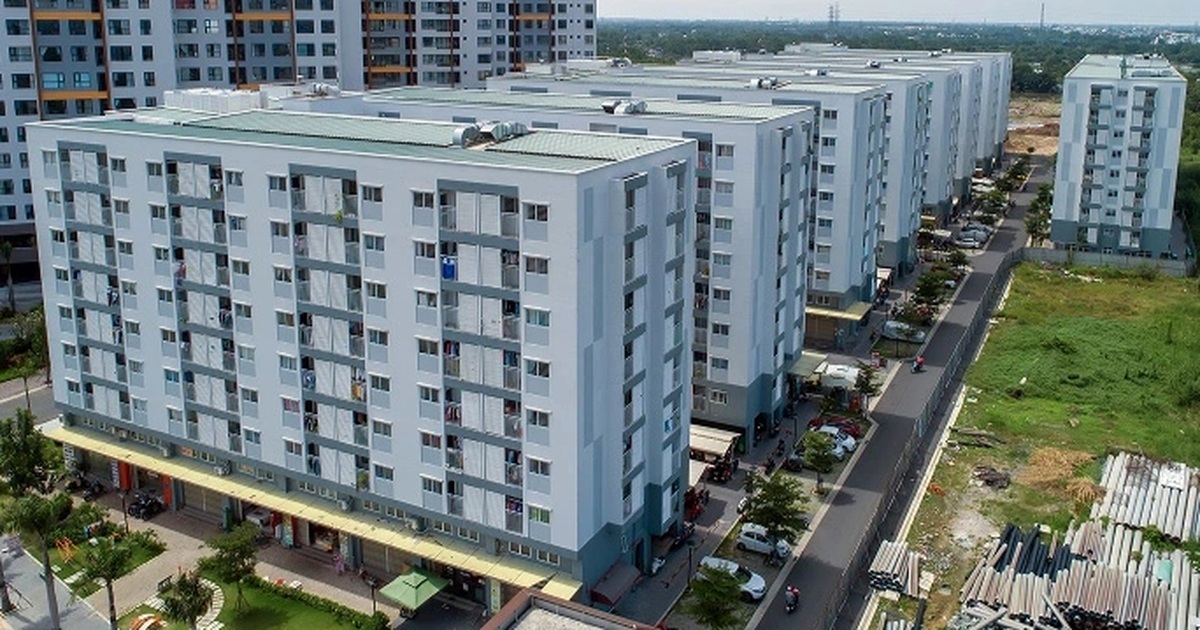
Vietnam has unveiled a simplified approval process for social housing projects, reducing bureaucratic hurdles in a bid to accelerate the development of affordable housing across the country. Under the new framework, privately funded social housing projects will move through just 7 procedural steps, while state-invested projects will require 8 steps — a significant reduction from the previously complex approval chains that had long delayed construction timelines.
A standout feature of the new policy is the designation of social housing projects into a so-called "green lane" and "priority lane" classification system. This fast-track categorization is designed to cut processing times dramatically, ensuring that applications receive expedited review and approval from relevant government agencies without unnecessary delays.
The move comes as Vietnam faces mounting pressure to address a growing affordable housing shortage, particularly in major urban centers like Hanoi and Ho Chi Minh City. Millions of low-income workers and young families have struggled to access decent housing as property prices continue to surge beyond the reach of average earners.
Authorities hope the streamlined procedures will encourage more developers — both public and private — to invest in social housing projects by reducing the time and administrative burden associated with bringing such developments to market. Officials have emphasized that cutting red tape is a critical step toward meeting the government's ambitious targets for social housing construction in the coming years.
The policy reflects a broader national push to reform housing regulations and make the approval process more transparent and efficient. Experts say that while the procedural simplification is a welcome step, sustained success will also depend on adequate land allocation, financial incentives, and strict oversight to ensure that social housing units truly reach those most in need.
Original Article: Read the full story on Dan Tri


