Vietnam Must Prioritize Energy Independence, Not Just Fuel Storage Infrastructure
Vietnam's energy security strategy requires a fundamental shift in thinking, according to energy experts and policymakers.
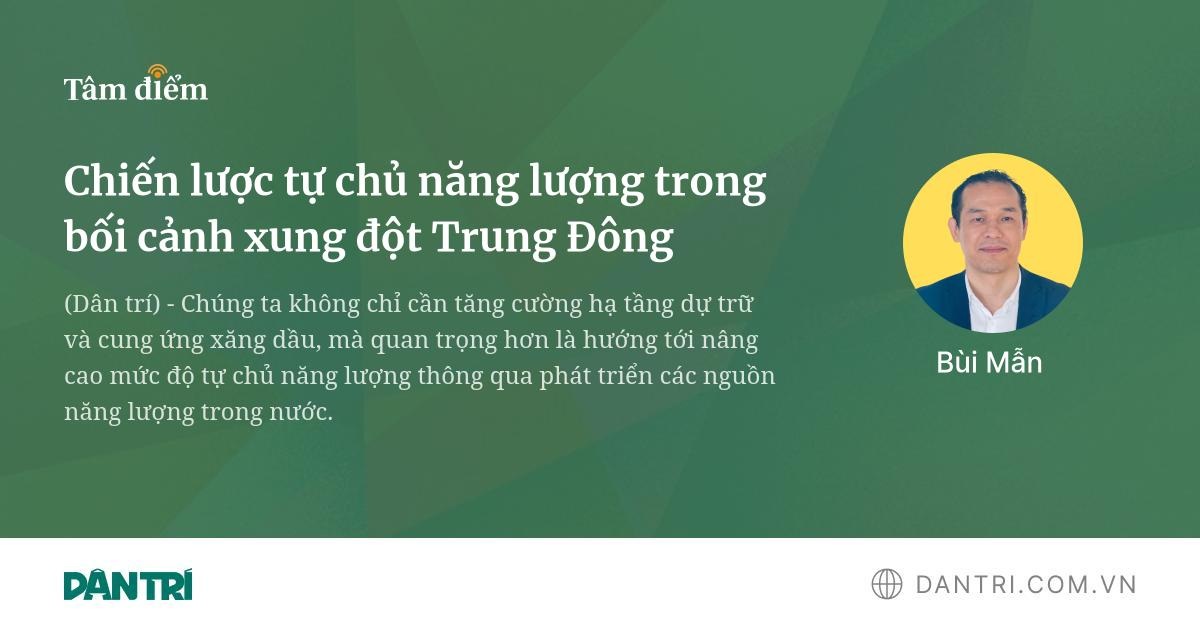
Vietnam's energy security strategy requires a fundamental shift in thinking, according to energy experts and policymakers. While strengthening petroleum storage and supply infrastructure remains important, the country must look beyond short-term solutions and focus on building genuine long-term energy independence.
The core argument centers on a critical distinction: expanding fuel reserves and distribution networks can help buffer against supply disruptions, but it does not address Vietnam's underlying vulnerability to global energy markets. As long as the country remains heavily dependent on imported petroleum products, even the most robust storage infrastructure offers only temporary protection.
Experts emphasize that developing domestic energy sources represents the true path forward for Vietnam's energy autonomy. This means accelerating investment in renewable energy technologies, including solar, wind, and other clean energy alternatives that can reduce reliance on fossil fuel imports and insulate the Vietnamese economy from volatile international oil prices.
The stakes are significant for Vietnam's broader economic development goals. Energy security directly impacts industrial production, transportation costs, and the daily lives of millions of citizens, making it a foundational pillar of national economic resilience and sovereignty.
Policymakers are being urged to adopt a comprehensive, long-term vision that treats domestic energy development not merely as an environmental goal but as a strategic national security priority. Balancing infrastructure investment with accelerated development of homegrown energy capacity will be essential for Vietnam to achieve sustainable and secure energy independence in the decades ahead.
Original Article: Read the full story on Dan Tri


