Thailand Rushes to Calm Fuel Panic as Motorists Scramble to Fill Up Amid Middle East Conflict Fears
Thai government officials moved swiftly on Friday to reassure the public that the country's fuel supplies remain stable, after alarming scenes of "out of stoc

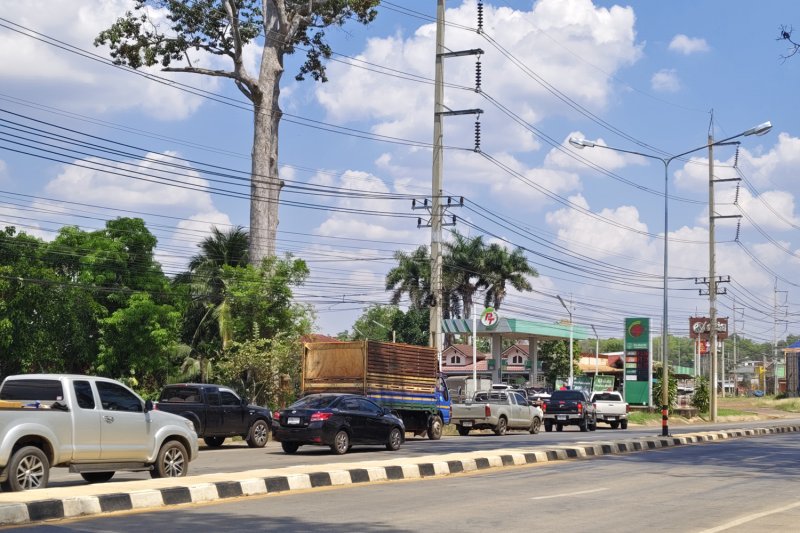
Thai government officials moved swiftly on Friday to reassure the public that the country's fuel supplies remain stable, after alarming scenes of "out of stock" signs appeared at petrol stations across the nation. The sudden shortages, officials stressed, were not the result of any actual disruption to Thailand's fuel reserves, but rather a self-inflicted crisis driven entirely by panic buying.
The rush to fill up tanks was triggered by widespread anxiety over the escalating conflict in the Middle East, a region that supplies a significant portion of the world's oil. Both private motorists and public transport operators, fearing prolonged disruptions to global supply chains, descended on filling stations in unusually high numbers, rapidly depleting local stocks at individual outlets.
Energy officials were quick to emphasize that Thailand's strategic fuel reserves remain at healthy levels and that no actual supply disruption has occurred. The temporary shortages seen at some stations were described as a logistical issue caused by an unexpected spike in demand, rather than any failure in the supply chain itself.
Authorities urged the public to remain calm and avoid unnecessary top-ups, warning that panic buying could create the very shortages people are trying to protect themselves against. Resupply trucks have been dispatched to restock affected stations, and officials expect the situation to normalize within days.
The episode highlights the vulnerability of consumer confidence to geopolitical events, even when a country's actual fuel security is not immediately threatened. Economists and energy analysts have warned that fear-driven behavior at the pumps can sometimes cause more economic disruption than the underlying global events themselves.
Original Article: Read the full story on Phuket News