Thai Exporters Face Growing Economic Pain as US-Israel-Iran Tensions Disrupt Global Trade
The escalating tensions between the United States, Israel, and Iran are creating significant economic shockwaves that extend far beyond the Middle East, with
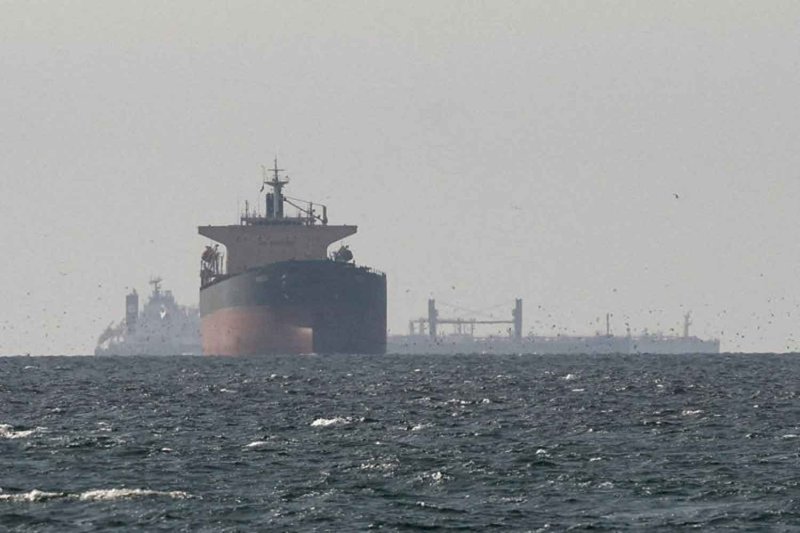
The escalating tensions between the United States, Israel, and Iran are creating significant economic shockwaves that extend far beyond the Middle East, with Thai exporters now reporting substantial disruptions to their business operations. Companies across Thailand's export sector are grappling with interrupted trade routes, delayed shipments, and mounting operational expenses as the geopolitical crisis intensifies. The conflict's impact on global supply chains has forced many Thai businesses to reassess their international trade strategies and seek alternative shipping routes.
Fuel costs have emerged as one of the most immediate and painful consequences for Thai exporters, as oil prices surge in response to the Middle Eastern instability. Transportation expenses have climbed sharply, squeezing profit margins for companies that rely heavily on maritime and air freight to deliver goods to international markets. Many exporters report that these increased costs are difficult to pass on to customers in an already competitive global marketplace, forcing them to absorb significant financial losses.
The disruption to trade flows has been particularly severe for industries dependent on timely delivery schedules, including electronics, automotive parts, and perishable goods. Shipping companies have been forced to reroute vessels away from traditional paths through strategic waterways, adding days or even weeks to delivery times. This has created a cascading effect throughout supply chains, with manufacturers struggling to maintain inventory levels and meet contractual obligations to overseas buyers.
Thai government officials and business leaders are closely monitoring the situation and exploring contingency plans to mitigate the economic fallout. Industry associations have called for government support measures, including potential subsidies for fuel costs and assistance in identifying alternative trade routes. As the conflict continues with no clear resolution in sight, Thai exporters face an uncertain future, with many warning that prolonged instability could force difficult decisions about production levels and workforce retention.
Original Article: Read the full story on Bangkok Post