Fuel Panic Returns as Middle East Conflict Disrupts Supply Chains
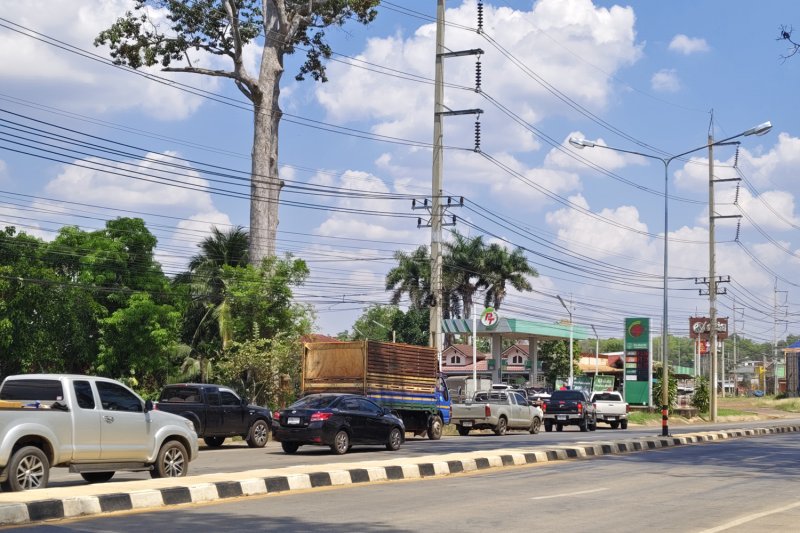
Long queues snaked around petrol stations across the country on Monday as anxious drivers scrambled to fill their tanks amid growing fears of fuel shortages.
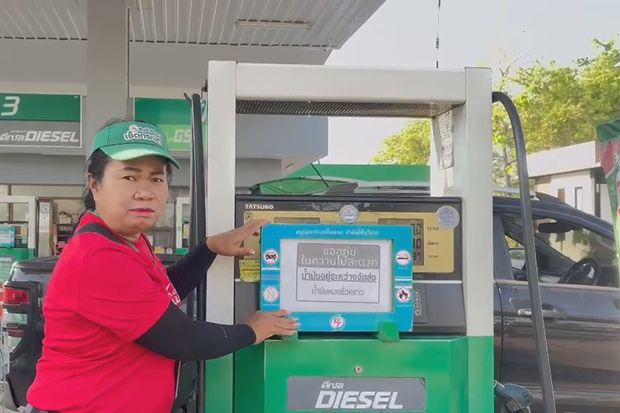
Long queues snaked around petrol stations across the country on Monday as anxious drivers scrambled to fill their tanks amid growing fears of fuel shortages. The rush came as supply disruptions linked to escalating conflict in the Middle East began affecting domestic fuel availability, with numerous stations displaying out-of-stock notices by midday.
Industry experts warn that the current crisis could lead to sustained supply problems if the Middle Eastern conflict continues to intensify. The region remains a critical hub for global oil production and transportation, with recent hostilities threatening key shipping routes and production facilities. Analysts suggest that even temporary disruptions in these vital supply chains can have cascading effects on fuel availability worldwide.
The scenes at filling stations evoked memories of previous fuel crises, with some motorists reportedly waiting over an hour to access pumps. Social media platforms quickly filled with images of lengthy queues and empty stations, further fueling public anxiety and potentially exacerbating the shortage through panic buying. Transportation officials have urged calm, emphasizing that stockpiling behavior often worsens supply issues.
Government representatives are closely monitoring the situation and have called for emergency meetings with major fuel suppliers to assess the severity of the disruption. Meanwhile, consumer advocacy groups are advising the public to refuel only when necessary and avoid topping off tanks unnecessarily. As the geopolitical situation remains volatile, authorities are exploring contingency plans to ensure essential services maintain access to fuel supplies in the coming weeks.
Original Article: Read the full story on Bangkok Post