Central Banks Brace for Economic Turbulence as Middle East Conflict Sends Energy Prices Soaring
The world's most powerful financial institutions are preparing to convene in a critical series of meetings this week, as mounting anxiety over the Middle East
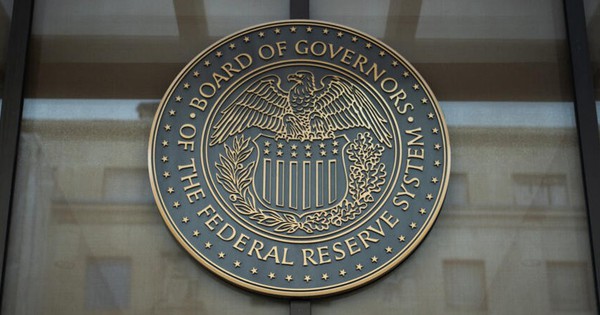
The world's most powerful financial institutions are preparing to convene in a critical series of meetings this week, as mounting anxiety over the Middle East conflict threatens to upend global economic stability. Policymakers face a delicate balancing act as surging energy prices triggered by the ongoing war cloud the outlook for inflation and growth simultaneously.
The energy shock radiating from the conflict has reignited fears of stagflation — the dangerous combination of rising prices and sluggish economic activity that plagued Western economies in the 1970s. Central bank governors from Frankfurt to Washington are being forced to reassess their monetary policy strategies in real time, with each new development on the battlefield carrying potential consequences for fuel costs worldwide.
At stake is the fragile progress many economies have made in bringing down inflation following years of aggressive interest rate hikes. A sustained spike in oil and gas prices could undo that hard-won stability, forcing central banks to choose between raising rates further to combat renewed inflation or holding steady to avoid choking off already tepid economic growth.
The meetings come at a particularly sensitive moment, with several major economies already showing signs of slowing momentum. Analysts warn that the combination of higher borrowing costs and an energy-driven price surge could tip vulnerable economies into recession, adding urgency to deliberations that would already rank among the most consequential in recent memory.
Markets worldwide are watching closely, bracing for any signals that policymakers may shift course in response to the escalating crisis. With no clear end to the Middle East conflict in sight, central bankers may find themselves navigating one of the most treacherous economic environments since the global financial crisis of 2008.
Original Article: Read the full story on Tuoi Trẻ News


